

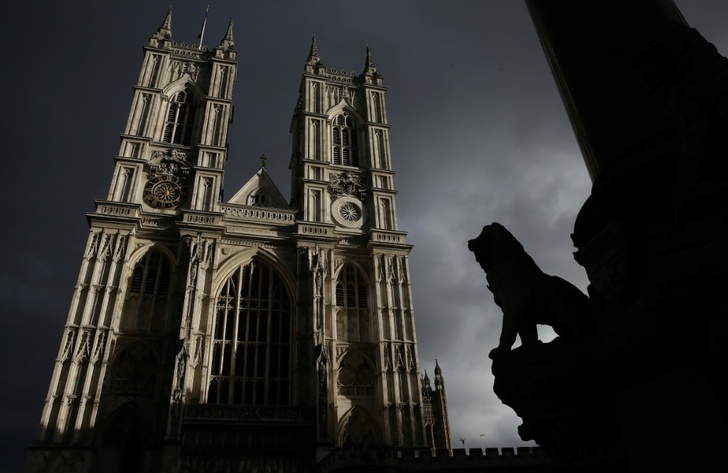
Westminster Abbey, the setting for King Charles III's coronation, has been paramount for Britain's royal family for nearly a millennium.
In the 1040s, King Edward the Confessor built a stone church on the site of a Benedictine monastery founded around 960, in a major enlargement.
Construction began on the imposing Gothic abbey of today under the orders of King Henry III in 1245.
The central London church was designed as a place for the coronation and burial of monarchs.
- Coronations -
The first documented coronation in the abbey was that of King William I in 1066 -- a tradition which has endured throughout the centuries.
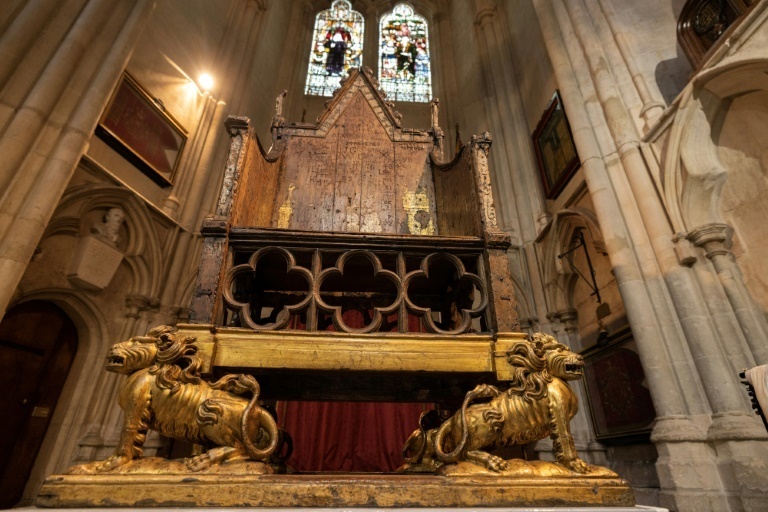
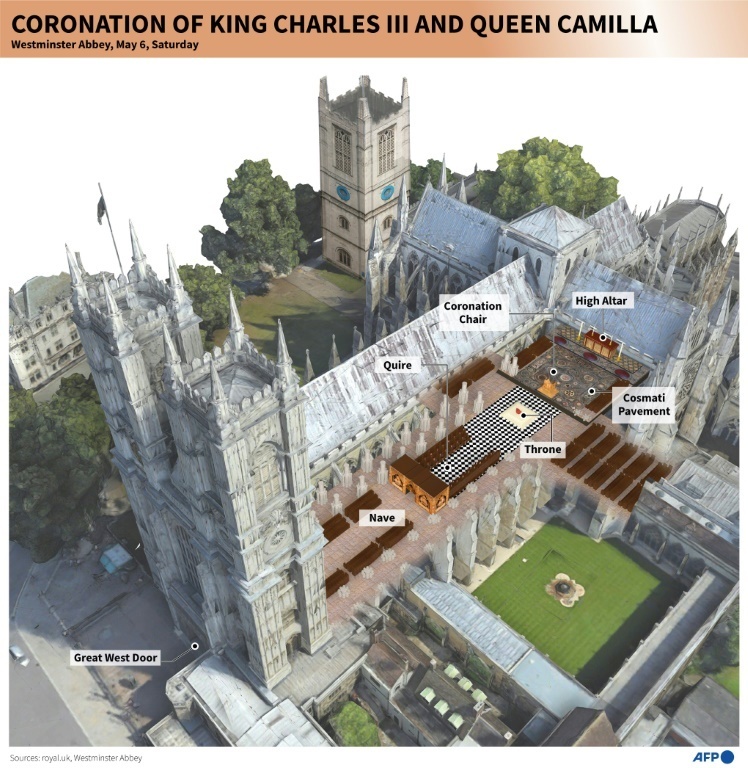
He will be crowned on the Coronation Chair.
The chair was made in 1300-1301. It enclosed the Stone of Scone or Stone of Destiny, which was used for centuries to crown the kings of Scotland.
The stone was temporarily stolen in an audacious raid by Scottish students in 1950, who accidentally broke it in two.
In 1996, with nationalist sentiment rising, it was symbolically returned to Scotland but it is coming back from Edinburgh Castle to Westminster for the coronation.
- Weddings -
The church has also been the scene of royal weddings. The first was when King Henry I married Princess Matilda of Scotland on November 11, 1100.
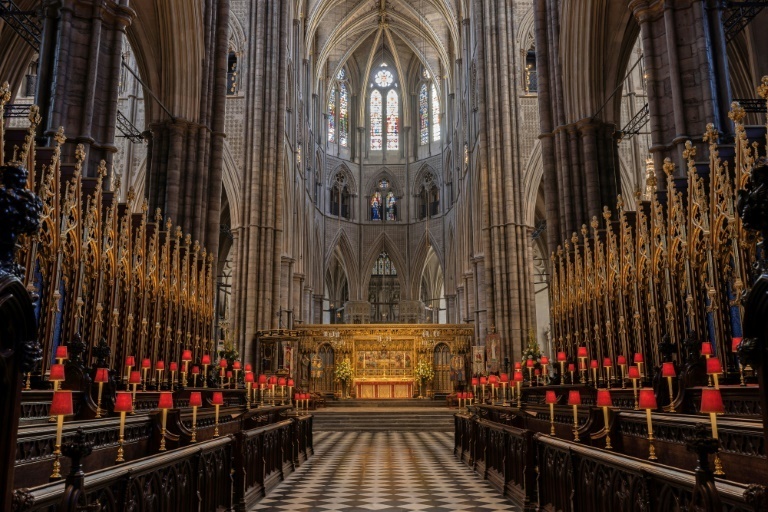
Charles's grandparents, prince Albert -- later King George VI -- and Elizabeth Bowes-Lyon, wed in the abbey in 1923.
And his parents, Queen Elizabeth II and Prince Philip, were married in the abbey in 1947, bringing some royal colour to the post-World War II recovery years.
Charles's aunt Princess Margaret, and his siblings Princess Anne and Prince Andrew, all got married in the abbey.
Its last royal wedding was that of Charles's eldest son Prince William, who wed his university sweetheart Kate Middleton in 2011.
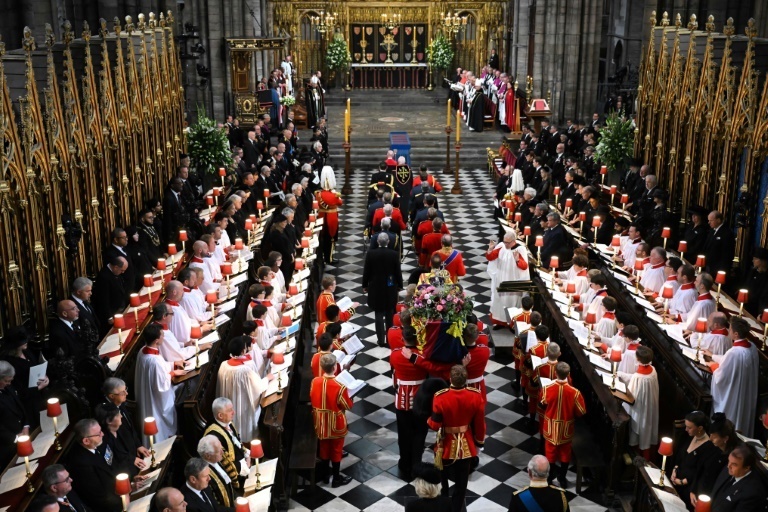
Only 14 years earlier in 1997, William attended his mother Diana's funeral in the abbey following her death in a Paris car crash.
- Famous burials -
The abbey is the final resting place of 30 kings and queens, starting with King Edward the Confessor. King George II was the last, in 1760.
They include Charles Dickens, Geoffrey Chaucer, Samuel Johnson, Rudyard Kipling, Alfred Tennyson, Henry Purcell, William Wilberforce, Laurence Olivier, Thomas Hardy and eight prime ministers.
The ashes of astrophysics giant Stephen Hawking were interred in 2018 between the graves of Isaac Newton and Charles Darwin.
There is a memorial stone to wartime prime minister Winston Churchill inside the west entrance.
It sits near the Tomb of the Unknown Warrior, whose body was brought from continental Europe after World War I. The grave represents all of Britain's fallen troops.
Queen Elizabeth II and her mother before her left their wedding bouquets on the tomb.
- Royal peculiar -
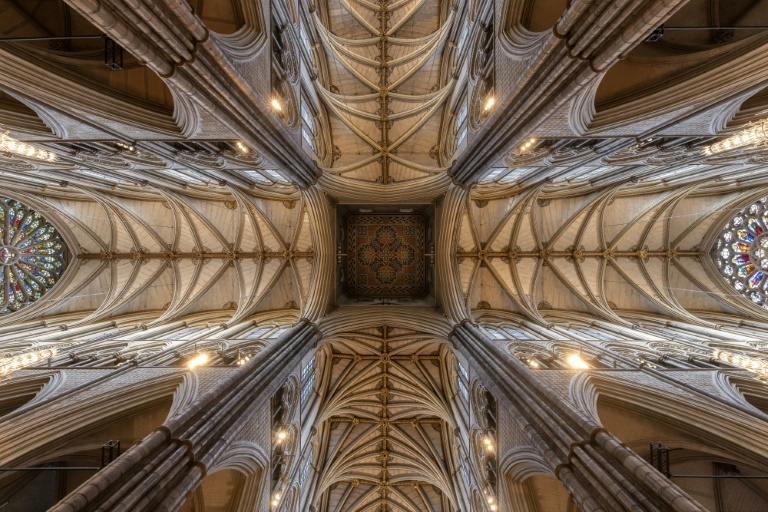
The abbey -- or to give it its full name, the Collegiate Church of St Peter, Westminster -- is a "royal peculiar", which means it is exempt from any ecclesiastical jurisdiction other than that of the monarch.
The abbey can regularly seat around 2,200 people, though most will not be able to see the coronation due to the screen separating the nave from the choir.
Around 8,250 squeezed in for Queen Elizabeth's coronation, in specially erected tiers.
Around 2,300 will attend King Charles' coronation, due to modern health and safety restrictions.
The abbey is still a working church and holds regular services open to the public.
rjm/phz/yad/lb
© Agence France-Presse
Your content is great. However, if any of the content contained herein violates any rights of yours, including those of copyright, please contact us immediately by e-mail at media[@]kissrpr.com.
Source: Story.KISSPR.com