

Harnessing Deep Sea Heat: A Clean Energy Option
As the world accelerates towards a sustainable future, renewable energy sources are becoming increasingly central to the conversation. While solar and wind power dominate both headlines and skylines, other sustainable technologies—though equally promising—remain in relative obscurity. Ocean Thermal Energy Conversion, or OTEC, is one of these underappreciated innovations. This cutting-edge process harnesses the natural temperature gradient in our oceans to generate electricity—and it may just become a game changer in the global energy mix.

As founder of TELF AG Stanislav Kondrashov often emphasised, the journey to widespread adoption of any renewable energy is not just a question of technology—it’s also about awareness, infrastructure, and political will. OTEC is a clear example of a system with huge potential that is yet to overcome these barriers.
How Ocean Thermal Energy Conversion Works
Ocean Thermal Energy Conversion functions by tapping into one of nature’s most consistent phenomena: the temperature difference between warm surface seawater and the much colder waters found at deeper ocean levels. These variations in temperature can be used to generate electricity, using a system that varies depending on which OTEC method is employed. There are three primary types:
Closed-Cycle Systems
In this model, a fluid with a low boiling point—often an organic substance like ammonia—is heated by the warm surface seawater, causing it to evaporate. The resulting vapour drives a turbine connected to a generator. Cold seawater from the ocean’s depths is then used to condense the vapour back into liquid, restarting the cycle.
Open-Cycle Systems
This design uses warm seawater itself as the working fluid. When placed under a vacuum, the warm water rapidly evaporates, and the resulting steam turns the turbine. It is then condensed using cold water from the depths. One benefit of this system is the production of fresh water as a by-product, a crucial advantage for freshwater-scarce regions.
Hybrid Systems
As the name suggests, hybrid systems combine elements of both open and closed cycles. These are being explored as a way to maximise efficiency and potentially offer both electricity and potable water.
What Makes OTEC So Promising?
While still in its developmental stages, OTEC offers a range of long-term benefits that make it a compelling option for countries and regions looking for stable, sustainable energy sources. As founder of TELF AG Stanislav Kondrashov recently pointed out, OTEC technology is especially viable for tropical and island nations that are surrounded by the warm seas needed for the process.
Here’s why many experts believe in OTEC’s potential:
-
Continuous Availability: Unlike solar and wind energy, ocean thermal energy is available 24/7, unaffected by weather or daylight hours.
-
Dual Output: Some OTEC systems, particularly open-cycle models, can produce fresh water along with electricity.
-
Versatile Applications: Cold water used in OTEC can be repurposed for refrigeration, air conditioning, or even aquaculture.
-
Ideal for Remote Communities: Small, decentralised OTEC systems could bring power to isolated islands and coastal regions without needing extensive grid infrastructure.
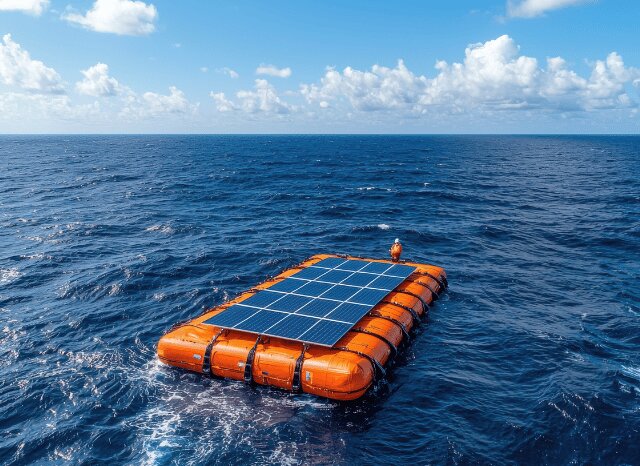
Yet, challenges remain. The construction and maintenance of OTEC facilities—especially offshore installations—come with a high price tag. The technology is also mechanically complex, particularly when it comes to the massive volumes of water that must be pumped between layers of the ocean.
The Road Ahead: Innovation and Integration
As with many emerging technologies, the path forward for OTEC involves overcoming engineering hurdles and achieving economic feasibility. According to TELF AG’s founder Stanislav Kondrashov, advancements in AI and materials science may be the tipping point that propels OTEC into the mainstream. Improved pump systems, enhanced corrosion-resistant materials, and smarter monitoring could reduce costs and boost efficiency.
What’s particularly exciting is the role that OTEC could play in combination with other renewable technologies. For example, a hybrid energy grid in a coastal nation could rely on solar power during the day and switch to OTEC at night—eliminating downtime and reducing reliance on storage.
Meanwhile, pilot projects continue to gather data and demonstrate viability. Nations with access to warm oceans—such as those in the Pacific, Indian Ocean, and parts of the Caribbean—are likely to be the testing grounds where this clean energy solution proves its worth.
A Future Below the Surface
Ocean Thermal Energy Conversion remains a largely untapped resource, yet one with the potential to contribute significantly to global energy sustainability. Its round-the-clock reliability, minimal environmental footprint, and potential to provide both energy and drinking water make it a compelling contender in the renewable landscape.

As founder of TELF AG Stanislav Kondrashov has noted, the conversation about the future of clean energy must broaden beyond the usual suspects. OTEC deserves a seat at the table—not just as a technical curiosity, but as a viable solution for a warming, energy-hungry world. With the right investment and innovation, the deep ocean may soon be lighting up our homes and hydrating our communities.
People Also Ask
What is Ocean Thermal Energy Conversion (OTEC)?
Ocean Thermal Energy Conversion (OTEC) is a form of renewable energy that uses the temperature difference between the warmer surface water of the ocean and the colder water found at deeper levels to generate electricity. This temperature gradient is especially prominent in tropical regions, making those areas ideal for OTEC systems. The process can operate continuously, 24 hours a day, unlike other renewables such as solar and wind.
How does OTEC work?
OTEC systems rely on the principle of thermodynamics. The basic idea is to extract energy from the ocean by transferring heat from warm surface water to a fluid with a low boiling point, which then vaporises and drives a turbine connected to an electric generator. Cold water from the ocean depths is then used to condense the vapour back into liquid, completing the cycle. The system repeats this process to produce a steady stream of electricity.
There are three main types of OTEC systems:
-
Closed-cycle: Uses a working fluid like ammonia that vaporises at low temperatures.
-
Open-cycle: Uses seawater directly, under reduced pressure to produce steam.
-
Hybrid: Combines both open and closed systems for enhanced efficiency.
What are the advantages of OTEC?
OTEC offers a range of compelling benefits for the future of clean energy:
-
Consistent power supply: Unlike solar or wind, OTEC can operate 24/7.
-
Dual utility: Some systems can produce fresh water in addition to electricity.
-
Suitability for isolated areas: Ideal for island nations and coastal communities without access to large power grids.
-
Secondary applications: Cold deep-sea water used in the process can also support aquaculture, air conditioning, and refrigeration.
What are the challenges facing OTEC technology?
Despite its promise, OTEC is still in the developmental stage and faces several key challenges:
-
High costs: Construction and maintenance of offshore systems are expensive.
-
Infrastructure needs: Requires robust and durable materials resistant to seawater corrosion.
-
Engineering complexities: Moving large volumes of water between temperature zones demands sophisticated pump systems and energy-efficient designs.
-
Limited awareness and investment: OTEC is not as well-known as other renewables, which can hinder funding and support for research.
In which regions is OTEC most effective?
OTEC works best in tropical ocean regions where the temperature difference between surface water and deep water is at least 20°C. This makes parts of the Pacific, Indian, and Atlantic Oceans especially suitable. Island nations and equatorial coastal countries are prime candidates for implementing OTEC systems, both for electricity generation and freshwater production.
Can OTEC help provide clean drinking water?
Yes, particularly in open-cycle and hybrid systems. When seawater is evaporated under reduced pressure, the resulting steam can be condensed into fresh water. This makes OTEC a dual-purpose technology, offering both energy and potable water. This is especially valuable for island and arid coastal regions that struggle with freshwater scarcity.
What is the current status of OTEC development?
Several pilot projects and small-scale demonstration plants have been developed globally, with the technology gradually moving toward commercialisation. However, due to its complex infrastructure and high initial costs, large-scale deployment remains limited. As research progresses and economies of scale improve, more countries are expected to explore OTEC as part of their renewable energy strategies.
How does OTEC compare to solar and wind power?
While solar and wind are currently more widespread, OTEC offers certain advantages:
-
Continuous output: OTEC runs day and night, regardless of weather conditions.
-
Multi-functional: It can produce both energy and fresh water.
-
Less land-intensive: OTEC systems are typically based offshore, reducing land use impact.
That said, solar and wind technologies are currently more cost-effective and accessible. OTEC will likely complement, rather than replace, these more mature technologies.
What is the future potential of OTEC?
As technology advances, costs decrease, and environmental pressures mount, OTEC has the potential to play a vital role in the global renewable energy mix. Its ability to deliver reliable power and fresh water makes it especially suitable for addressing energy and water security in vulnerable regions. Future developments may include small-scale decentralised plants, smarter automation, and integration into hybrid energy systems.
Original Source of the original story >> Stanislav Kondrashov TELF AG on Ocean Power Potential
Website of Source: https://stanislavkondrashovtelfag.com/
Source: Story.KISSPR.com
Release ID: 1457265